Trying to choose between downtown Orlando and the attractions area? You are not alone. Many buyers moving within Central Florida or relocating from out of state quickly realize these two parts of Orlando offer very different day-to-day experiences. If you want to narrow your search with more confidence, this guide will help you compare lifestyle, transportation, entertainment, and housing feel so you can decide which area better fits the way you want to live. Let’s dive in.
Downtown Orlando lifestyle
Downtown Orlando offers a more urban and resident-focused lifestyle. The City of Orlando is investing in a more connected and walkable downtown, with projects focused on safer sidewalks, improved transit access, and easier navigation. The downtown trail network is also expanding to create more car-free ways to reach shopping, dining, parks, offices, and services.
That gives downtown a different rhythm than the rest of Orlando. Instead of feeling built around visitors, it tends to feel built around everyday living. If you want your routine to include walking to a park, grabbing dinner nearby, or using transit during the week, downtown may feel like a more natural fit.
Getting around downtown
Downtown has the stronger mix of non-car transportation options. SunRail provides weekday commuter rail service, and there are four stations within the City of Orlando. LYMMO adds another layer by offering a free downtown bus rapid transit circulator that connects residents and workers to restaurants, retail, offices, entertainment, and services.
Driving is still part of life downtown, but it can come with trade-offs. The city maintains parking garages and meters, yet event activity, construction, and ongoing development can affect road access and traffic flow. Some streets are also one-way and were originally designed for faster, higher-volume traffic, which can make navigation feel less intuitive if you are new to the area.
Downtown entertainment and daily life
Downtown Orlando is not just about nightlife. Lake Eola Park is one of the clearest examples of how downtown blends recreation, events, and daily community life. The park features a 0.9-mile loop, swan boats, concerts and plays at the Walt Disney Amphitheater, and nearby restaurants, while the Orlando Farmers Market has operated there since 1987.
The broader downtown entertainment scene includes sports, arts, local dining, rooftop bars, and live music. That means your options are not limited to big-ticket attractions or tourist-focused venues. You get a mix of casual weeknight spots, local events, and walkable gathering places that support a more regular neighborhood routine.
Attractions area lifestyle
The attractions side of Orlando centers on the tourism corridor, especially around International Drive and nearby Lake Buena Vista. This area is known for theme parks, hotels, restaurants, shopping, entertainment, and convention activity. It is designed to serve both visitors and businesses tied to the tourism economy.
As a result, the attractions area usually feels more destination-based than neighborhood-based. If you like being close to major entertainment hubs and having a huge range of dining and activity options nearby, that energy can be a major plus. If you want a quieter, more resident-oriented setting, you may find the tourism pulse harder to tune out.
Getting around the attractions corridor
Transportation works differently near the attractions. The International Drive area uses the I-Ride Trolley, which runs daily from 8:00 a.m. to 10:30 p.m. across a 14-mile route with more than 100 stops. It is designed as a local circulator within the resort district rather than a broader commuting network.
That distinction matters if you are comparing convenience. The trolley can be helpful for moving around the district, but the attractions area is generally more car-and-shuttle oriented than downtown. Orange County describes Lake Buena Vista as being at the heart of the region’s tourism industry, which helps explain why this side of Orlando often feels more geared to visitors, traffic flow, and large-scale destinations.
Dining and entertainment near the attractions
If variety is your top priority, the attractions area has serious range. The International Drive district says it offers 300 restaurants, 55 nightlife venues, shopping, theme parks, and recreation options. Major entertainment anchors like ICON Park and Pointe Orlando also help shape the area’s identity.
The trade-off is that more venues often come with more crowds and more parking demand. This part of Orlando is built for high activity levels, late-night options, and a steady stream of visitors. For some buyers, that feels exciting and convenient. For others, it can feel busier than they want for everyday life.
How housing feels in each area
Housing is one of the biggest practical differences between downtown Orlando and the attractions side. In downtown, the housing stock is more varied and historically layered. In the areas tied to the attractions lifestyle, many buyers end up looking in nearby residential communities rather than directly in the resort corridor itself.
That means your search experience may look very different depending on which side of Orlando you prefer. One area may lead you toward older neighborhoods, condos, and mixed-use living, while the other may lead you toward townhomes or single-family homes in communities closer to major attractions.
Downtown home styles
Downtown Orlando includes some of the city’s oldest and most architecturally diverse neighborhoods. The City of Orlando describes Lake Eola Heights as having about 487 historic buildings, with primarily one- to two-story residential bungalows along with Colonial Revival, Craftsman, Mediterranean Revival, Mission Revival, Art Deco, and Minimal Traditional styles.
Other nearby areas add to that mix. Lake Copeland includes Colonial, Mediterranean, and Tudor Revival houses as well as bungalows and Minimal Traditional homes. Downtown also includes newer mixed-use housing through projects like Creative Village, a transit-oriented district with more than 2,000 residential units.
Homes near the attractions
On the attractions side, buyers often focus on nearby residential areas such as Dr. Phillips or MetroWest. Orange County describes Dr. Phillips as a bustling area of residences, businesses, restaurants, and shops, and notes that it grew rapidly alongside tourism and defense-related growth. In practical terms, that creates a more suburban or mixed-use housing search than what you would typically find in the downtown core.
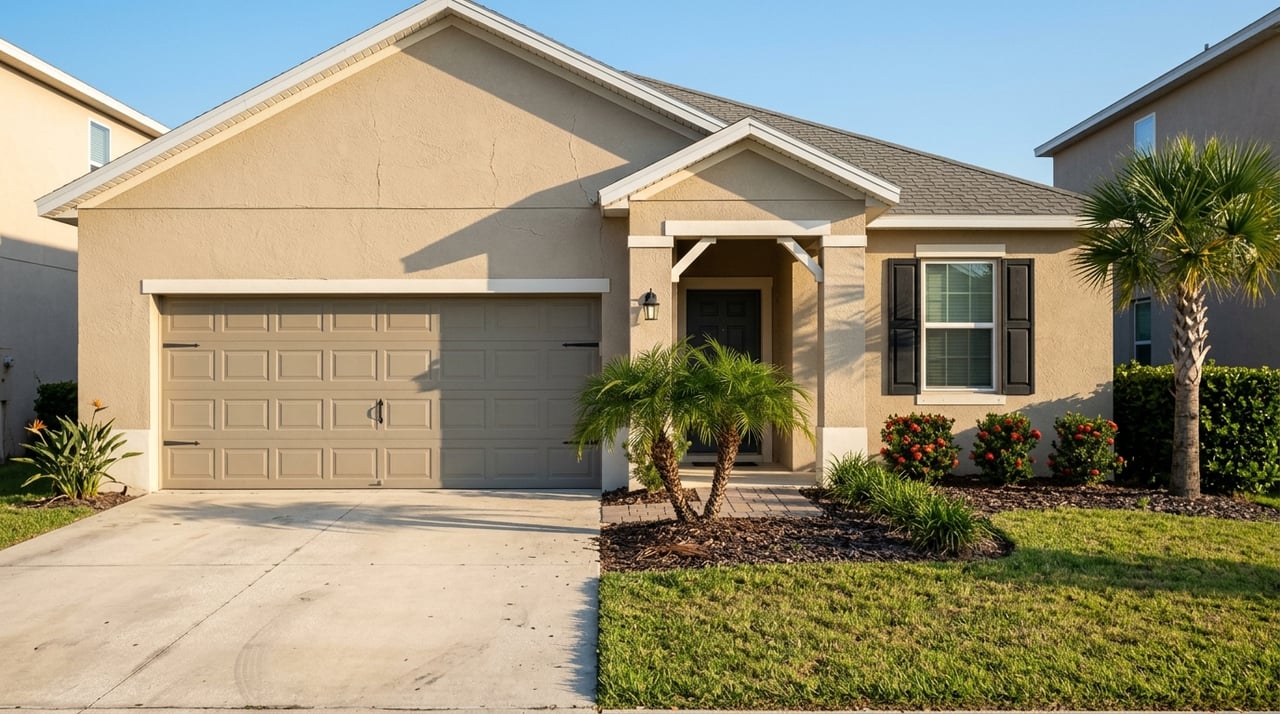
Home types in these nearby areas can include attached homes, single-family homes, townhouses, condominiums, and apartment communities. MetroWest also includes single-family homes along with apartment, townhome, and condominium complexes. If you want easier access to the attractions while still living in a more residential setting, these nearby communities may be the real target of your search.
Which area fits your lifestyle?
If you are deciding between the two, it helps to think less about landmarks and more about your daily routine. Where do you want to spend your weekdays? How often do you want to drive? Do you picture your free time in a park and local restaurant district, or closer to entertainment centers, major dining clusters, and tourism activity?
A simple way to think about it is this: downtown Orlando is often the better fit if you want a more walkable, transit-friendly, historic, and condo-or-apartment-friendly lifestyle. The attractions side is often the better fit if you want quick access to theme parks, convention-driven activity, extensive dining options, and larger suburban-style homes in nearby communities like Dr. Phillips or MetroWest.
Questions to ask before you choose
Before you commit to one side of Orlando, ask yourself a few practical questions:
- Do you want more non-car options for commuting or daily errands?
- Are you comfortable with higher visitor traffic and a stronger tourism presence?
- Do you prefer historic neighborhoods and mixed-use living, or more suburban residential communities?
- Is walkability part of your lifestyle now, or just a nice-to-have?
- Do you want to be close to parks and local civic spaces, or close to major entertainment venues and dining hubs?
Your answers can make the right choice much clearer. In our experience, buyers often start with a broad idea of Orlando, then narrow their search once they compare how each area actually functions day to day.
If you are weighing downtown Orlando against the attractions corridor, local context matters. A neighborhood that looks great on a map can feel very different once you factor in traffic patterns, housing style, and how you want to spend your time. The right fit is the one that supports your routine, your priorities, and your long-term plans.
If you want help comparing specific neighborhoods, home types, or commute trade-offs, Central Florida RE Team can help you sort through your options with clear, local guidance.
FAQs
Is downtown Orlando more walkable than the attractions area?
- Yes. Based on City of Orlando information, downtown has stronger walkability and transit connections, with investments in safer sidewalks, trail expansion, SunRail access, and the free LYMMO circulator.
Is International Drive a residential neighborhood in Orlando?
- Not in the same way as downtown or nearby communities. International Drive is primarily Orlando’s tourism corridor, so buyers who want that location often end up searching in nearby residential areas such as Dr. Phillips or MetroWest.
What types of homes are common near downtown Orlando?
- Downtown Orlando includes a mix of historic bungalows, architecturally diverse older homes, preserved historic properties, condos, and newer mixed-use residential units in areas like Creative Village.
What types of homes are common near Orlando attractions?
- Buyers near the attractions often find single-family homes, townhomes, condos, and apartments in nearby residential communities, especially places like Dr. Phillips and MetroWest.
Is downtown Orlando better for commuting without a car?
- Downtown generally offers more non-car commuting options because it has SunRail stations within the city and the free LYMMO circulator, while the attractions area relies more on local trolley service, cars, and shuttles.
Is living near the attractions busier than living downtown Orlando?
- It can be, especially because the attractions corridor is built around theme parks, hotels, conventions, restaurants, and entertainment venues that serve a steady flow of visitors.
