Wondering whether a historic home or a newer build is the better fit in Mount Dora? It is a smart question, because this city offers two very different homeownership experiences. If you are weighing charm against convenience, or character against predictability, this guide will help you compare the real tradeoffs so you can make a more confident move. Let’s dive in.
Why Mount Dora Gives You Two Distinct Choices
Mount Dora stands out because its housing options tend to fall into two clear categories. Near the downtown core, you will find older homes tied to the city’s historic street grid and architectural identity. In newer growth areas, you will see planned communities, townhomes, and larger developments that reflect current building practices and expansion.
The city itself points to this contrast through its historic preservation efforts and its active development pipeline. Projects such as Lakes of Mount Dora, Juniper Village Townhomes, Loch Leven Park, Cottage Way Townhomes and Duplexes, and the Wolf Branch Innovation District show how much newer housing is part of Mount Dora’s future. That gives buyers more than one way to live in the area.
What Historic Homes Offer
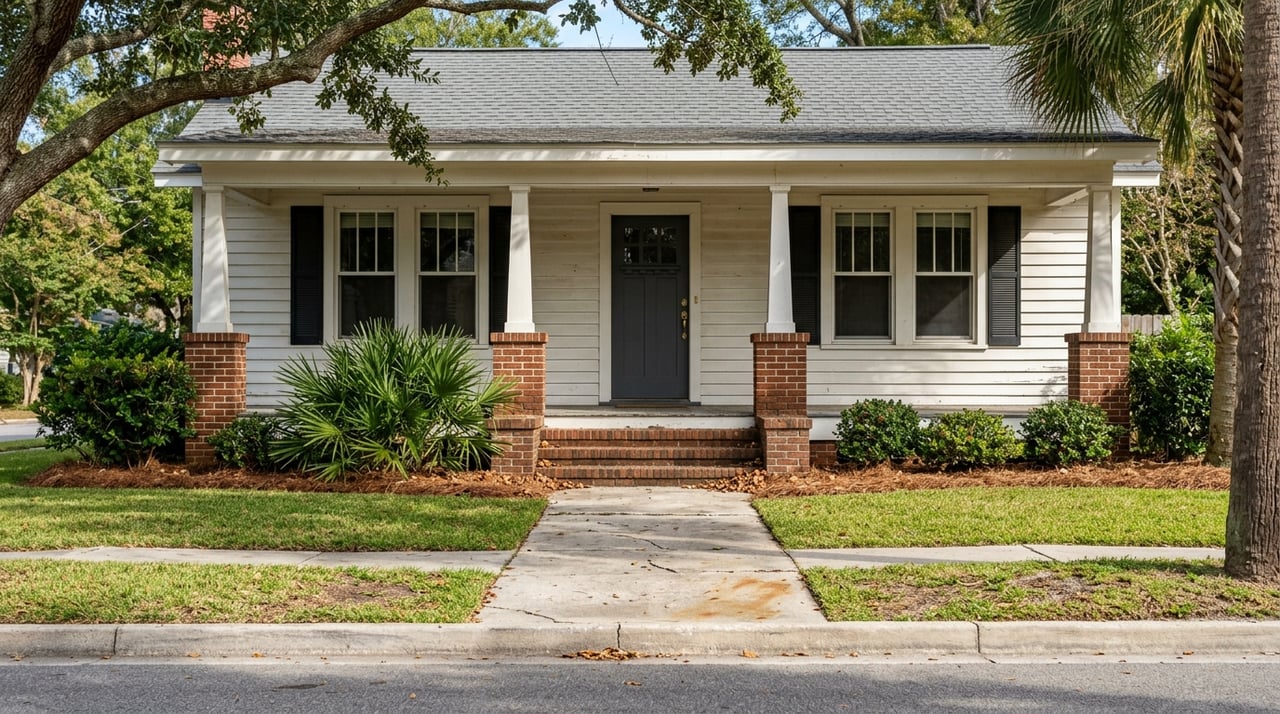
Historic homes in Mount Dora often appeal to buyers who want a stronger sense of place. You may be drawn to older streetscapes, front porches, decorative details, and homes that feel connected to the city’s past. In and around the downtown area, that character is a major part of the appeal.
Mount Dora’s preservation materials highlight the city’s architectural diversity, and local examples include Queen Anne and Craftsman homes. The city’s design guidelines describe Craftsman bungalows as typically one to one-and-a-half stories with features like full-width porches, exposed rafter tails, decorative wood shingles, and distinctive columns or piers. If those details matter to you, a historic home may feel hard to replace.
Historic Character Comes With Rules
The charm of a historic home often comes with more planning. In Mount Dora’s Historic Preservation Review Area, exterior alterations or renovations to a building that is more than 50 years old require a Certificate of Appropriateness and Historic Preservation Board approval.
According to the city’s realtor guidance, this review area is bounded by Eleventh Avenue, Highland Street, First Avenue, and Helen Street. If a home falls within that area, even updates that seem simple at first may need approval before work begins. Applications are due roughly three weeks before the board meeting, so timing matters.
Renovation Can Be More Specialized
Historic ownership is not just about buying a home. It is also about maintaining it in a way that fits the city’s standards. Mount Dora’s preservation program covers repair, restoration, rehabilitation, and maintenance, which means exterior work may involve more research, more coordination, and a longer timeline than you would expect in a non-historic property.
That does not make historic homes a bad choice. It simply means they tend to work best for buyers who value preservation and are comfortable with a less flexible renovation path.
What Newer Homes Offer
Newer homes in Mount Dora usually appeal to buyers who want simpler upkeep and more standardized construction. You may prefer a layout that feels more current, along with newer systems and finishes that reduce the chance of immediate post-closing projects.
The city’s Building Division oversees new construction, additions, and alterations through permitting, plan review, inspections, and final acceptance under the Florida Building Code and city ordinances. That process creates a more predictable path from construction to occupancy. For many buyers, that can bring peace of mind.
Planned Communities Shape the Experience
Many newer homes are located in planned neighborhoods rather than the older downtown street pattern. That can mean a more uniform look, community infrastructure, and a setting tied to Mount Dora’s broader growth plans.
The Wolf Branch Innovation District is one example of that future-facing approach. The city describes it as an 850-acre mixed-use employment center planned on State Road 46, with a trail concept intended to connect downtown, future development, and the wider trail network. For buyers who want convenience and a more connected growth corridor, that may be a plus.
Monthly Costs May Look Different
A newer home may reduce immediate repair risk, but that does not always mean lower total cost. In some planned communities, part of your monthly housing cost may shift toward HOA dues, community fees, or special assessments.
Florida law requires a disclosure summary before you sign a contract for property governed by HOA covenants. That disclosure warns that you may be required to join the association, pay assessments that can change, and potentially pay special assessments. It also notes the risk of a lien if assessments are not paid. That is why reviewing HOA documents carefully is so important when you compare newer-home options.
Comparing Daily Lifestyle in Mount Dora
Your decision is not only about the house itself. It is also about how you want your daily life to feel.
Mount Dora’s historic districts and downtown core are closely tied to antique and specialty shops, oak-lined streets, arts activity, and year-round events. The downtown CRA area is the city’s historic retail center and includes more than 165 business spaces within a 12-block area. If being close to that atmosphere matters to you, an older home near the historic core may be the better match.
Newer neighborhoods often offer a more planned setting connected to Mount Dora’s long-term growth. City redevelopment materials note that many newer residents want to live near downtown vitality, while still benefiting from newer development patterns and improved connectivity. If you want access to Mount Dora with a more contemporary neighborhood feel, newer areas may fit better.
How to Compare Total Cost of Ownership
The smartest way to compare historic and newer homes is to look beyond the list price. What matters most is how the home will affect your budget after closing.
With a historic home, your future costs may include specialized repairs, higher maintenance planning, and added time for exterior project approvals. With a newer home, you may have fewer early repair projects, but you could take on HOA dues, changing assessments, or community-related fees.
An independent home inspection can help you spot major concerns before closing. That gives you a clearer picture of likely repairs and may help you negotiate next steps depending on what the inspection reveals. When you compare properties in Mount Dora, this step is especially useful because the ownership experience can vary so much from one area to another.
Questions to Ask Before You Choose
Before you decide, it helps to ask a few practical questions:
- Is the home inside Mount Dora’s historic review area?
- If it is historic, do the exterior changes you want require a Certificate of Appropriateness?
- Are you comfortable with a renovation process that may involve board approval and more planning?
- If the home is in a newer community, what are the HOA dues, rules, and possible special assessments?
- How much do you want to budget for maintenance, taxes, insurance, and post-closing repairs?
- Do you care more about downtown charm and architectural character, or newer systems and a more predictable upkeep path?
These questions can quickly narrow your options and help you focus on the type of home that fits your priorities.
Which Option Fits You Best?
If you love porches, older architecture, and the energy of Mount Dora’s historic core, a historic home may feel worth the extra effort. You may trade some flexibility for character, location, and a strong sense of place.
If you want a more straightforward maintenance path, current construction standards, and a planned-community setting, a newer home may make more sense. You may give up some architectural individuality, but gain more predictability in both upkeep and layout.
In the end, there is no one-size-fits-all answer. The right choice depends on how you want to live, what kind of maintenance experience you are comfortable with, and how you want your budget to work over time. If you want help comparing neighborhoods, home types, and resale potential in Mount Dora, the Central Florida RE Team is here to guide you.
FAQs
What is the historic review area in Mount Dora?
- Mount Dora’s realtor guidance says the Historic Preservation Review Area is bounded by Eleventh Avenue, Highland Street, First Avenue, and Helen Street.
What approvals do historic homes in Mount Dora require?
- In the historic review area, exterior alterations or renovations to a building more than 50 years old require a Certificate of Appropriateness and Historic Preservation Board approval.
Are newer homes in Mount Dora usually in planned communities?
- Many newer homes are part of planned developments, townhome communities, or PUD-based growth areas, which can create a more uniform neighborhood setting than the older downtown grid.
Do newer Mount Dora homes have HOA costs?
- Some newer homes may include HOA dues, changing assessments, or special assessments, so you should review the required disclosure summary and community documents carefully before signing a contract.
Are historic homes in Mount Dora more expensive to maintain?
- They can be, because exterior repairs and updates may involve specialized maintenance methods and city approval requirements, which can add time and cost to projects.
How should buyers compare historic and newer homes in Mount Dora?
- Compare not just purchase price, but also inspection findings, likely repair needs, taxes, insurance, HOA costs if applicable, and how much flexibility you want for future updates.
